
01 · NightsA held breath in Seoul
The script wrote itself before a ball was moved: France, reigning world and European champions, opened the 2002 tournament in Seoul against Senegal, a nation appearing in the World Cup for the first time since independence. The French squad included Zinédine Zidane, Thierry Henry, Patrick Vieira and Marcel Desailly. Senegal had Aliou Cissé, El-Hadji Diouf and Papa Bouba Diop — names not yet on the lips of most neutral observers. For anyone who remembered Cameroon's ambush of Argentina in the opening game of 1990, the precedent existed. Almost nobody thought it relevant.
On 31 May 2002, inside the Seoul World Cup Stadium, Papa Bouba Diop — a tall, physically imposing midfielder who played his club football at Gueugnot and would later move to Lens — received the ball on the edge of the French area, waited for it to sit, and drove it past Fabien Barthez. The goal arrived in the thirtieth minute, and Senegal spent the rest of the evening defending it with an organisation and physicality that the French attack, operating largely without the injured Zidane, could not unpick. The final score was 1–0.
The celebration became one of the tournament's images: Diop's teammates peeling off their shirts and placing them in a pile on the pitch, then dancing around the pile in a display that felt less like football choreography than genuine communal joy. It was not rehearsed. It was the spontaneous release of a squad that had just done something nobody in the stadium had expected them to do.
02 · NightsMade in France, competing for Senegal
The strangest thing about Senegal's squad was who had built it. Of the players who featured across the group stage, the substantial majority held contracts at clubs in Ligue 1 and Ligue 2. Cissé was at Paris Saint-Germain. Diouf was at Lens. Diop himself had moved through the French pyramid. Henri Camara, who would become significant later in the tournament, played in France. The head coach, Bruno Metsu, was French.
This was not accidental and it was not simple to categorise. Senegal had been a French colony — the relationship between the two football systems ran through the infrastructure France had built and the routes that African players found (or were guided toward) into French academies and lower-league clubs. What the 2002 squad represented was the first generation of players who had been formed largely within that system and then chose to represent their country of heritage rather than the country whose league had made them. Several of the players held dual nationality; the eligibility rules that governed which shirt they could ultimately pull on had been navigated, often years earlier, in quiet conversations with federation officials on both sides.
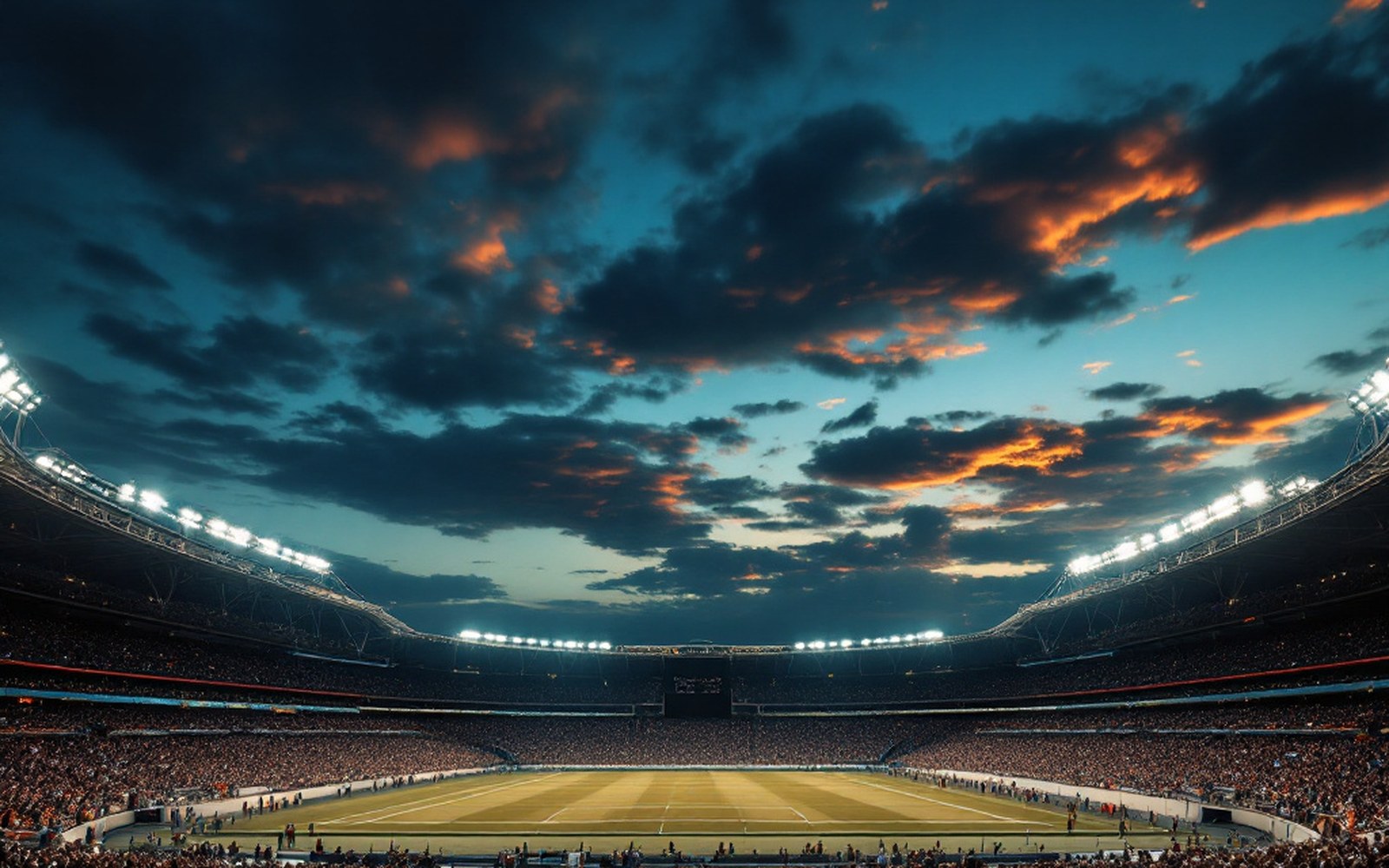
Two host countries, two organising committees, one tournament: an arrangement FIFA has not repeated in the same form.
Picture deskFIFA's regulations on eligibility switches — the mechanism that allows a player who has appeared for one nation at youth level to represent a different nation at senior level, under specific conditions — had been a live question for several members of this squad. The political and commercial weight behind getting those decisions right, particularly when French clubs had invested years of development, is part of what makes Senegal's 2002 campaign structurally interesting beyond the results.
03 · NightsWhat followed the first night
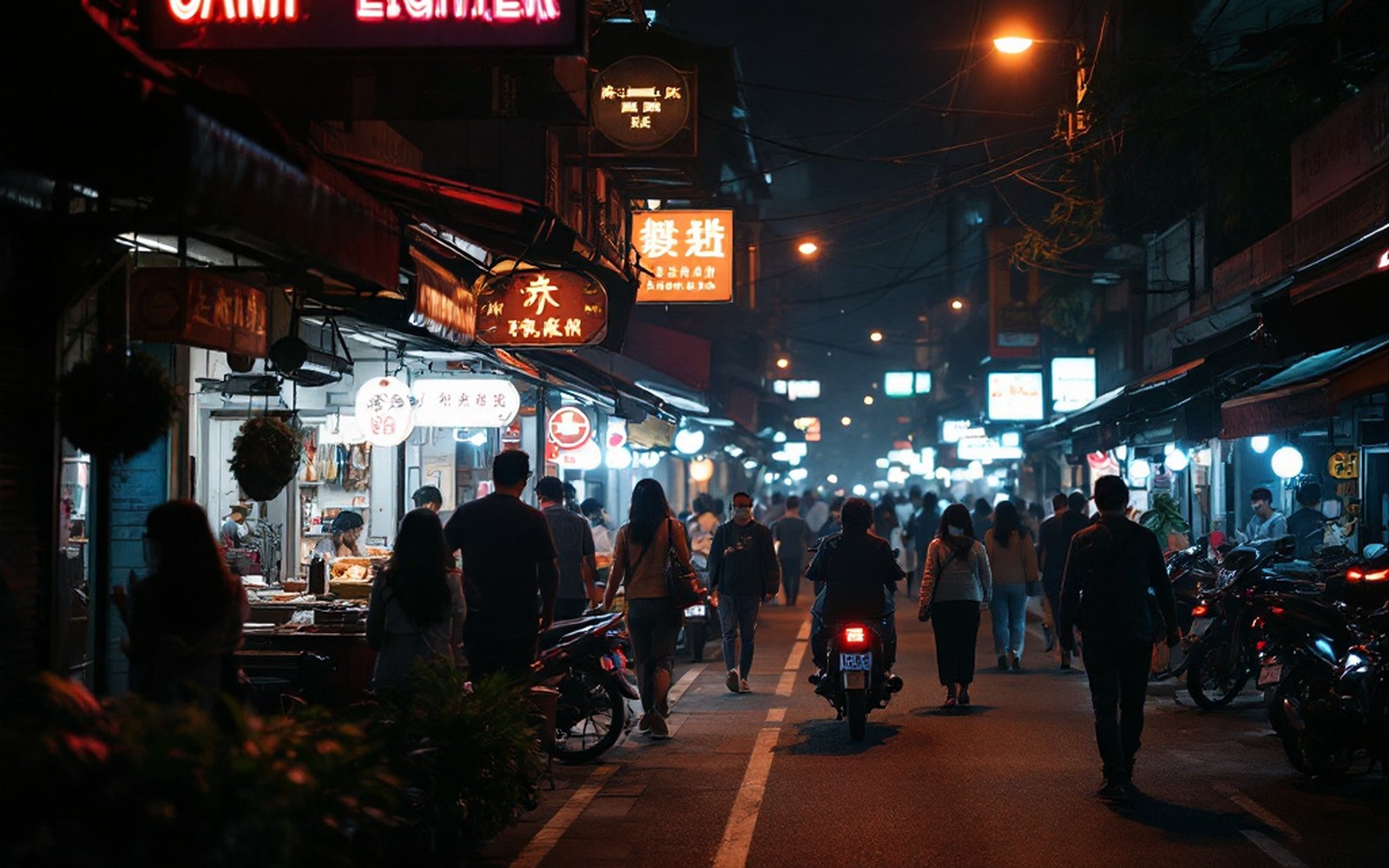
Dakar, on the night of the opening match.
Picture deskFrance had come to the first Asian World Cup with Zidane injured and their rhythm already disturbed. They drew 0–0 with Uruguay and then lost to Denmark — ending their tournament without scoring a single goal, an elimination so complete it remains one of the great collapses in the history of the competition. France had qualified automatically as holders; their group-stage exit did nothing to settle the ongoing argument about whether automatic qualification advantages the defending champion to the point of competitive harm.
Senegal, meanwhile, kept winning. They drew 3–3 with Uruguay in a game that went from 0–3 to the final scoreline in what felt like twenty minutes, then qualified for the knockout rounds. In the round of sixteen they met Sweden and won 2–1 after extra time, Henri Camara's golden goal — one of the last to be scored under that particular rule before FIFA subsequently modified the system — sending them through. In the quarter-final they faced Turkey and lost 1–0, going no further but having reached a stage no African side had reached since Cameroon's 1990 quarter-final set the benchmark.
04 · NightsWhat the night cost France to lose
A World Cup opening loss for the holders is not merely embarrassing; it resets the entire mathematics of the group. France, expected to accumulate points freely, suddenly needed results they could not manufacture. The knock-on effect within a squad — the pressure that lands on a Zidane to recover from injury faster, on a Henry to convert chances he had previously left — is the kind of thing that cannot be recovered from in seven days. The French were not a poor team. They were a team that had lost the first game.
The deeper structural point is what the result said about the distribution of talent and the reach of European club football. By 2002, CAF's member associations were sending large numbers of players through European academies, and those players were returning — through eligibility rules, through patriotism, through the specific pull of a first World Cup — to represent their home nations. FIFA's solidarity payments and training compensation mechanisms meant that clubs who had developed these players received some financial return regardless of where the player eventually played internationally, but the competitive return was going somewhere else entirely.
FIFA's own competition records ↗ confirm the scoreline and goalscorer. The broader story of how Senegalese players moved through the French system in that generation is documented in academic work on football migration, including research held at institutions tracking player mobility in European football.
What the opening game in Seoul proved was the same thing the opening game in Milan had proved twelve years earlier: the holders' shirt is a target, the first match is the most dangerous one, and the continent most likely to pull the trigger was Africa.